Ratings:

We hope you enjoy our blog, feel free to provide comments, suggestions and please pass onto others.

Our Rating Scale Is:

Excellent, Very Good, Good, OK, Ordinary or Don’t Bother.

Saturday, August 30, 2014

AYA Syrah

Wine Name: AYA Syrah 2011
Wine: AYA
Type: Syrah
Country: Argentina
Region: San Juan
Rating: Good
Price: $17
Recommendation:  Recommended

This week we prepared one of my favorite dishes, the Spanish Paella, I’m not sure if the recipe I used is truly a traditional Spanish one, but the result was pleasing for my first effort at cooking Paella. For the wine, I went to my expert contact, Matt at the Specs on the corner of Williams Trace Blvd and Highway 6 in Sugar Land, and he recommended an Argentinian Syrah.
 
The wine is a deep dark crimson color, with aromas of blackcurrant, cherry and a slightly smoky overture. The flavor is fruity, with some cherry coming through. It is also slightly spicy with hints of black pepper. The wine is smooth and easy drinking but would be best paired with medium to strong flavored foods, including red meats and tomato dishes.   

The wine comes from San Juan, in the mid north west of Argentina.  The San Juan region is several hours drive, almost due west from Buenos Aires towards the foot of the majestic Andes Mountains. The region has mild winters and warm to hot summers and is very dry, with the vineyards relying heavily on irrigation from the nearby San Jaun and Jáchal rivers.  The region is the second largest wine producer in Argentina behind the more famous Mendoza province.

One of the big quandaries with Paella is, should the accompanying wine be a red or a white? The dish includes seafood and chicken as well as prosciutto ham and Chorizo sausage. The good news is that either red or white will work just as well, and it all really depends on your personal preferences. I will be interested in hearing your feedback.

Cooking the meal is not overly complex however, there are many steps so I would recommend going through and preparing all the ingredients, including chopping etc, prior to starting the cooking so you can concentrate on the cooking process.

I really enjoy preparing meals using as much in the way of fresh ingredients as possible and I love the way the various colors and aromas come together as the meal progresses. Paella is a great example of the fusion of different colors as you will see from the photo’s.
 
Herb Blend:

1 cup chopped fresh parsley
1/4 cup fresh lemon juice
1 tablespoon olive oil
2 large garlic cloves, minced

Paella:

1 cup water
1 teaspoon saffron threads
3 (16-ounce) cans fat-free, low sodium chicken broth
8 unpeeled jumbo shrimp (about 1/2 pound) 
1 tablespoon olive oil
4 skinned, boned chicken thighs, cut in half 
2 links Spanish chorizo sausage (about 6 1/2 ounces), cut into 1/2-inch-thick slices 
1 (4-ounce) slice prosciutto, cut into 1-inch pieces
2 cups finely chopped onion 
1 cup finely chopped red bell pepper 
1 cup canned diced tomatoes, undrained
1 teaspoon sweet paprika
3 large garlic cloves, minced
3 cups uncooked Arborio rice or other short-grain rice
1 cup frozen green peas
8 mussels, scrubbed and debearded
1/4 cup fresh lemon juice
Lemon wedges (optional)

Preparation

Herb blend
Combine the first 4 ingredients, set aside.

Paella
 
Combine water, saffron, and broth in a large saucepan. Bring to a simmer (do not boil). Keep warm over low heat. Peel and devein shrimp, leaving tails intact; set aside.


Heat 1 tablespoon of oil in a large paella pan or large skillet over medium-high heat.
Add chicken; saute 2 minutes on each side. Remove from pan.
Add sausage and prosciutto; saute 2 minutes. Remove from pan.
Add shrimp, and saute 2 minutes. Remove from pan.

Reduce heat to medium-low. Add onion and bell pepper; saute 15 minutes, stirring occasionally.
Add tomatoes, paprika, and 3 garlic cloves; cook 5 minutes.


Add rice; cook 1 minute, stirring constantly.
Stir in herb blend, broth mixture, chicken, sausage mixture, and peas.
Bring to a low boil; cook 10 minutes, stirring frequently.
Add mussels to pan, nestling them into rice mixture.
Cook 5 minutes or until shells open; discard any unopened shells.


Arrange shrimp, heads down, in rice mixture, and cook 5 minutes or until shrimp are done.
Sprinkle with 1/4 cup lemon juice.
Remove from heat; cover with a towel, and let stand 10 minutes.
Serve with lemon wedges, if desired.


Rating: Good
Recommendation: Recommended

Availability: Available from Specs in Houston.


Friday, August 22, 2014

Two hands Gnarly Dudes Shiraz 2011

Wine:  Two Hands Gnarly Dudes
Type: Shiraz
Country: Australia
Region: Barossa Valley
Rating: Very Good
Price: $33
Recommendation: Highly Recommended

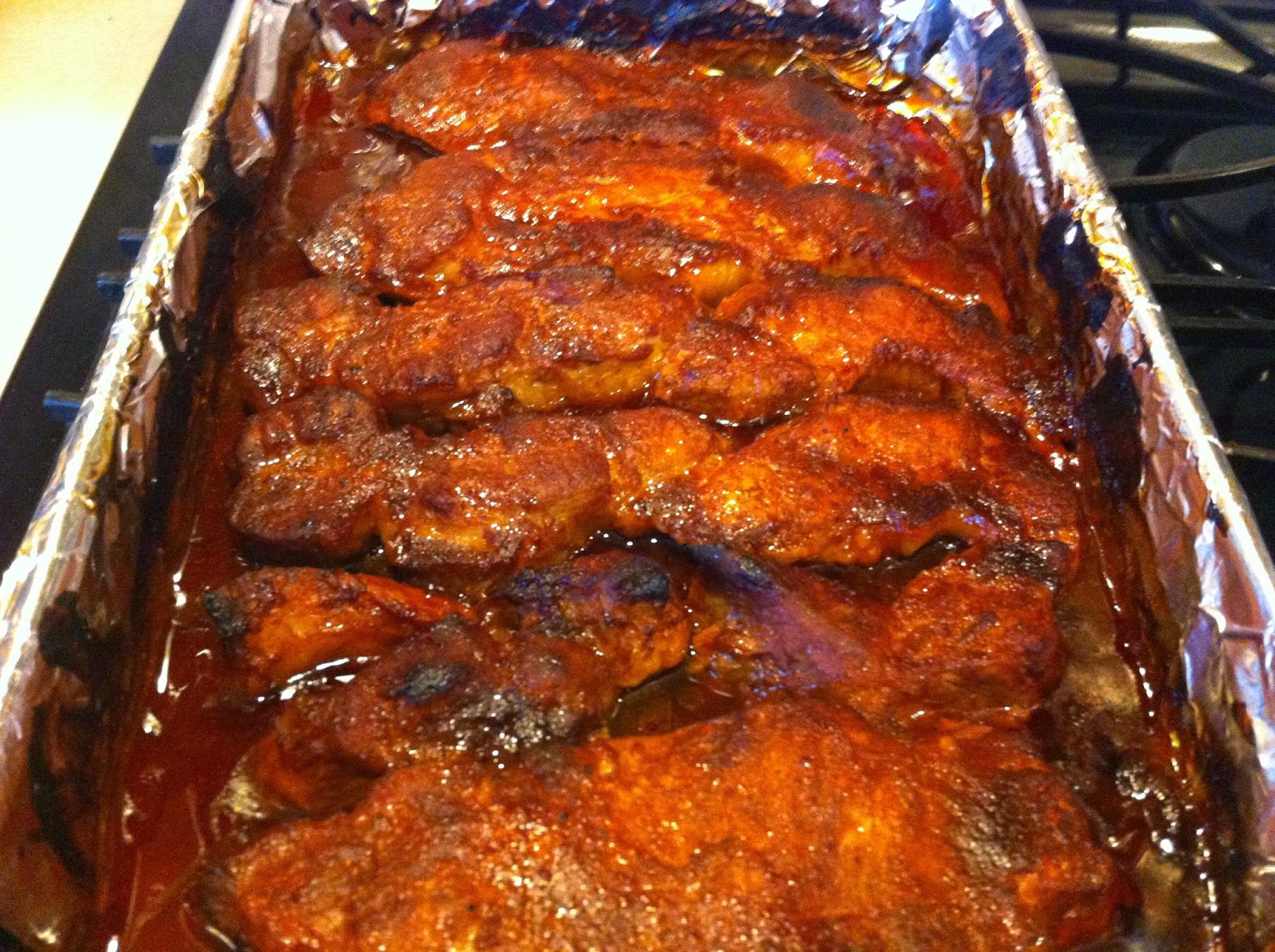
We were planning a BBQ spare rib meal recently and so I was looking for a wine that was strong enough to go with the robust flavors of the meal. Then, I remembered a bottle of Two Hands Gnarly Dudes 2011 Barossa Valley Shiraz that I had purchased some time ago, but had not had a chance to try. This seemed like the perfect opportunity.

The wine comes from the Two Hands winery in the Barossa Valley, in South Australia, arguably Australia’s premier wine growing region. The Barossa Valley is about 1.5 hours drive North East of Adelaide, the capital of South Australia. The climate is generally warm to hot in the summer months and cool in the winter. The higher altitude locations in the surrounding hills tend to be a little cooler during the summer. Generally irrigation is used for wine growing with exceptions again being in some higher altitude areas in the hills.  The region is probably most famous for it’s Shiraz, but other varieties including Riesling, Semillon, Chardonnay, Cabernet Sauvignon, Grenache and Mourvedere are also produced.

Wine has been made in the Barossa Valley since the 1940’s and was originally focused around Riesling due to the German influence of immigrants. The hot climate however, led to mixed results and a period where much of the production was fortified wines such as Brandy. The introduction of red grape varieties such as Shiraz and Grenache occurred early, however it was not until the mid 20th century that wine production moved away from fortified wines. Initially the Barossa was regarded as an inferior wine region when compared to other cooler climate regions. Partly this was due to the perception of wines like Cabernet Sauvignon being a premier red wine throughout the world. Towards the end of the 20th century the Barossa began to achieve an international reputation for producing premium Shiraz with it’s own distinct style of full bodied wines, led by the flagship Shiraz.

The Two Hands Winery was started in 1999, with the goal to produce “the best possible Shiraz-based wines from prized Shiraz growing regions throughout Australia”.  Other notable goals include, ”allowing the fruit to be the primary feature of the wines”. They started producing relatively small batches of wine and have grown to export their wines to 24 countries. Grapes are sourced from “six of Australia's premium Shiraz growing regions”. According to their web site they place a big focus on quality, and if the Gnarly Dudes wine is an indication, it appears to be more than just marketing hype.  Another interesting point made on the website is that “Two Hands was named in the Wine Spectator's annual Top 100 for the 10th consecutive year, an achievement that has never been equaled by any other winery the world over”.

Initially, I purchased the Two Hands Gnarly Dudes 2011 Shiraz based on the reputation of other wines from the Two Hands Winery. I had never tried any of their wines because the ones I was interested in were above my price range, but I noticed the cheaper Gnarly Dudes variety and decided to give it a try and I am really glad I did. This is a big, bold, in your face wine, it has a deep dark crimson color, an earthy bouquet with a hint of wood. The taste includes berries, cherry and plumb and despite the big bold taste it also has subtle tannins, some slight acidity and hints of Oak. This is an impressive wine that would be excellent with most dark meats particularly beef and other strong flavored dishes.
 
The curious name comes from the gnarled old grape vines in the Barossa Valley that produce the grapes for this wine and are featured on the bottle label. Let’s hope these Gnarly old dues continue to produce quality grapes and the Two Hands winery continues to craft them into quality wines for many years to come.  


The rib recipe is very simple and quick, yet provides a surprisingly good result.

BBQ Spareribs

Ingredients

1 cup ketchup
1 cup hoisin sauce
1 rack of spare ribs (roughly 2 lbs), we used boneless ribs
Black pepper

Steamed white rice


Instructions

Heat oven to 400 F

Mix the ketchup and hoisin sauces in a bowl
Season the ribs with the sauce and black pepper according to your taste
Place the ribs in a baking tray
Pour sauce over the ribs
Cover the tray with aluminum foil
Cook for one hour
Remove foil
Continue cooking until tender, the meat pulls apart easily and is beginning to char, usually around 20 to 25 minutes.
Serve with rice and your choice of sides.


Rating: Very Good
Recommendation: Highly Recommended
 

Friday, August 15, 2014

Stags Leap Napa Valley Chardonnay & Basil Pesto Salmon


Wine: Stags Leap Chardonnay 2012
Type: Chardonnay
Country: USA
Region: Napa Valley, California
Rating: Good
Price: $23
Recommendation: Recommended

For this week’s installment, we were having Salmon with Basil Pesto Sauce and wanted to find a wine that would not be overpowered by the Salmon and conversely would not overpower the Salmon. We chose a 2012 Stags Leap Napa Valley Chardonnay and I believe we achieved the objective.

The reason I chose Stags Leap as the winery is based on the strength of their Cabernet Sauvignon, which is a wine I have enjoyed in the past. Stags Leap winery produces medium priced wines of good quality. The winery is apparently difficult to find, being on a private road and not being well signposted. It is surrounded by rolling hills small mountains. The winery itself looks like a very attractive and relaxing place with a beautiful old nineteenth century stone manor house surrounded by herb gardens and an assortment of trees, greenery and plenty of shade. The building includes a beautiful wraparound stone porch used for tastings and other gatherings. Grapes have been gown here dating back to the 1880’s.

The wine is an attractive light color, slightly lighter than many popular Chardonnays’ on the market today.  If you are after a big bold Chardonnay with strong Oak, this is not the wine for you, but if you are after a more subtle wine then this would be a good choice. The bouquet has a slight hint of oak and apple.  The taste is smooth and subtle and the fruit flavors are difficult to distinguish with some apple and pear coming through.  The label mentions minerality, and there is a distinct earthiness about the flavor.  There are hints of oak, which are in no way overwhelming, resulting in a refreshing finish. It is easy drinking and did not overpower the Salmon, instead it was a nice compliment. The wine is good without being great and compared to the Cabernet that I am familiar with, is slightly disappointing. The wine works well with foods without overpowering them, which is a good attribute to look for in a Chardonnay.

Salmon with Basil Pesto Butter
 
Ingredients

Fresh Salmon
Fresh dill
Pesto Sauce

Basil Pesto Butter
  
Fresh basil leaves - 2 cups
Garlic – 2 cloves
Pine Nuts - 1/4 cup
Extra Virgin olive oil – 1/2 cup
Sea salt and ground black pepper according to taste
Parmesan cheese - 1/2 cup freshly grated

Directions

Pre heat oven to 400 F.

Coarsely chop basil, garlic, and pine nuts (Can use a food processor).
Combine oil until smooth.
Add salt and pepper.
Mix in the cheese.
Let butter reach room temperature and mix in pesto to taste. Make a ball using tablespoon.
Place dill on the Salmon and a ball of Pesto butter.
Cook around 30 minutes depending on the size of the Salmon


Rating: Good
Winery Web Site

Friday, August 8, 2014

Cassegrain Stone Circle Premium Late Pick Verdelho 2014

Wine: Cassegrain
Type: Verdelho
Country: Australia
Region: Hastings River
Rating:  Very Good
Price:
Recommendation: Highly recommended

Thank you to all those who are reading my blog and thank you for your comments, I really appreciate it. Please feel free to provide suggestions for wines that you like and would like others to try, or wines that you would like to try but have not had the opportunity. Also please feel free to suggest recipes you think might be interesting to others. While I can’t promise that we can do all of them due to availability and other constraints, I would like to try to reflect as many suggestions as possible.
 
This week, I am bringing you the last of the wines from my recent trip to Australia from the Cassegrain Winery in the Hastings River area of New South Wales (NSW). The food is chicken with a Roasted Pineapple and Habanero sauce, with steamed Jasmine rice and a summer salad.

Let me start by saying that this is a great wine and has become one of my favorites. We have done a blog on a Cassegrain Verdelho in the past and the difference in this case is that the grapes are picked  late in the growing season, which makes them sweeter and the result is excellent. The wine is golden in color and has retained subtle fruity characteristics, including hints of honey dew melon and even white grapes. It is definitely sweeter than typical Verdelhos but that does not detract from the wine, instead it enhances it. To try to describe the results, I would say the wine is somewhere between a Riesling and a Sauvignon Blanc. It would go well with many seafoods, chicken and light tomato based pasta meals, chicken and salads. It would be   
particularly good with spicy dishes which was why we chose the chicken with a mild habanero sauce.

The winery, region, and the wine type have been covered in more detail in previous blogs but the following is quick summary. The winey is a small, attractive, privately owned winery in the Hastings River region of NSW situated between Sydney and Brisbane close to the coastal town of Port Macquarie. The climate is warm to hot with some summer cooling caused by breezes from the Pacific Ocean. Some grapes are grown at the winery and others are sourced from several regions in NSW, including the Hunter Valley. The wines are generally of high quality and I have tasted some great wines from this winery and highly recommend visiting if you are in the area.

Pineapple Habanero Sauce

Ingredients:

4 cups sugar
1 cup apple cider vinegar
1 cup pineapple juice
3 Tbsp lemon juice
3 Tbsp cornstarch (mixed with a bit of water to create slurry)
1 medium to large pineapple, roasted, finely chopped
1 medium onion, finely chopped
1 red pepper, finely chopped
1 yellow pepper, finely chopped
1 mango, finely chopped 
5-6 habanero peppers, roasted, finely chopped

Create a syrup by whisking the sugar, vinegar, pineapple juice and lemon juice in a pot over medium high heat until the sugar dissolves. Turn up the heat and bring to a boil for around 2 minutes.  Turn off the heat and let sit while you prep the remaining ingredients. Roast the pineapple and habaneros on your grill or using a grill pan on your cook-top.  Slice the pineapple in rings and grill until the sugars begin to caramelize and creates grill marks on both sides. 

Lightly char the skins of the habanero peppers over an open flame or on a searing hot grill pan.  Do not grill your red and yellow bell peppers in order to maintain some crunch and texture in the sauce.

Stir the remaining ingredients into the simple syrup you prepared earlier.  Stir in the cornstarch (mixing with a few tablespoons of water first to create a slurry).  Bring the mixture to a boil and the turn down the heat to simmer for 5-10 minutes.  The consistency should be syrupy and chunky.

Pour the sauce on the chicken and bake at 350 F for approximately 30 to 40 minutes until cooked through. Serve with your selected sides. We chose steamed Jasmine rice and a summer salad.

Another quick and easy alternative for those in the USA is to purchase the Roberts Rosthchild or Roberts Reserve Roasted Pineapple & Habanero Suace or dip. They can normally be found at HEB and possibly other stores in the USA. Other similar products may also be available in other parts of the world.

Cassegrain Stone Circle Premium Late Pick Verdelho
Rating: Very Good
Highly Recommended
Unfortunately the Cassegrain wines are not generally available in the United States at the moment.
Winery Web Site


Friday, August 1, 2014

Wild Horse Pinot Noir & Lamb With Lemon Pepper Potatoes

Wine: Wild Horse
Type: Pinot Noir
Country: USA
Region: California
Rating: Good
Price: $18
Recommendation: Recommended

Recently, I saw a recipe on TV for Lamb with Lemon Pepper potatoes and it looked so good I thought I’d give it a try and I am really glad I did, it was sensational. We chose a Californian Pinot Noir called White horse, which complemented it nicely.


The wine comes from the Central Coast of California from the Wild Horse winery. The grapes appear to be grown on their property and sourced from several other areas in the central coast such as; Santa Barbara, Monterey Bay, Edna Valley, Arroyo Grande, and the Santa Lucia highland regions. The name Wild Horse emanates from the wild mustangs that were once common in the hills nearby.  The web site for the winery includes some interesting stories about their approach to sustainability which I encourage you to read.

The wine itself, is pleasant and easy drinking. The fragrance is slightly earthy and has a medium cherry coloring, the taste is smooth and has hints of berries including, strawberries and cherry.

The food was a great success; this is how it was done.

Ingredients:

Lamb (The recipe called for a leg weighing approximately 6 pounds, we substituted lamb chops)

1 tablespoon Red Pepper Flakes (We omitted)
Olive Oil
Kosher Salt
Freshly Ground Black Pepper
4 Garlic Cloves; minced
1/4 cup Fresh Rosemary
1/4 cup Fresh Oregano
2 tablespoons Sugar
2 tablespoons Coriander Seeds; toasted
4 pounds medium sized Yukon Gold Potatoes
1 large Lemon; sliced
1 head of Garlic; split in half
4 small Sprigs Rosemary

 
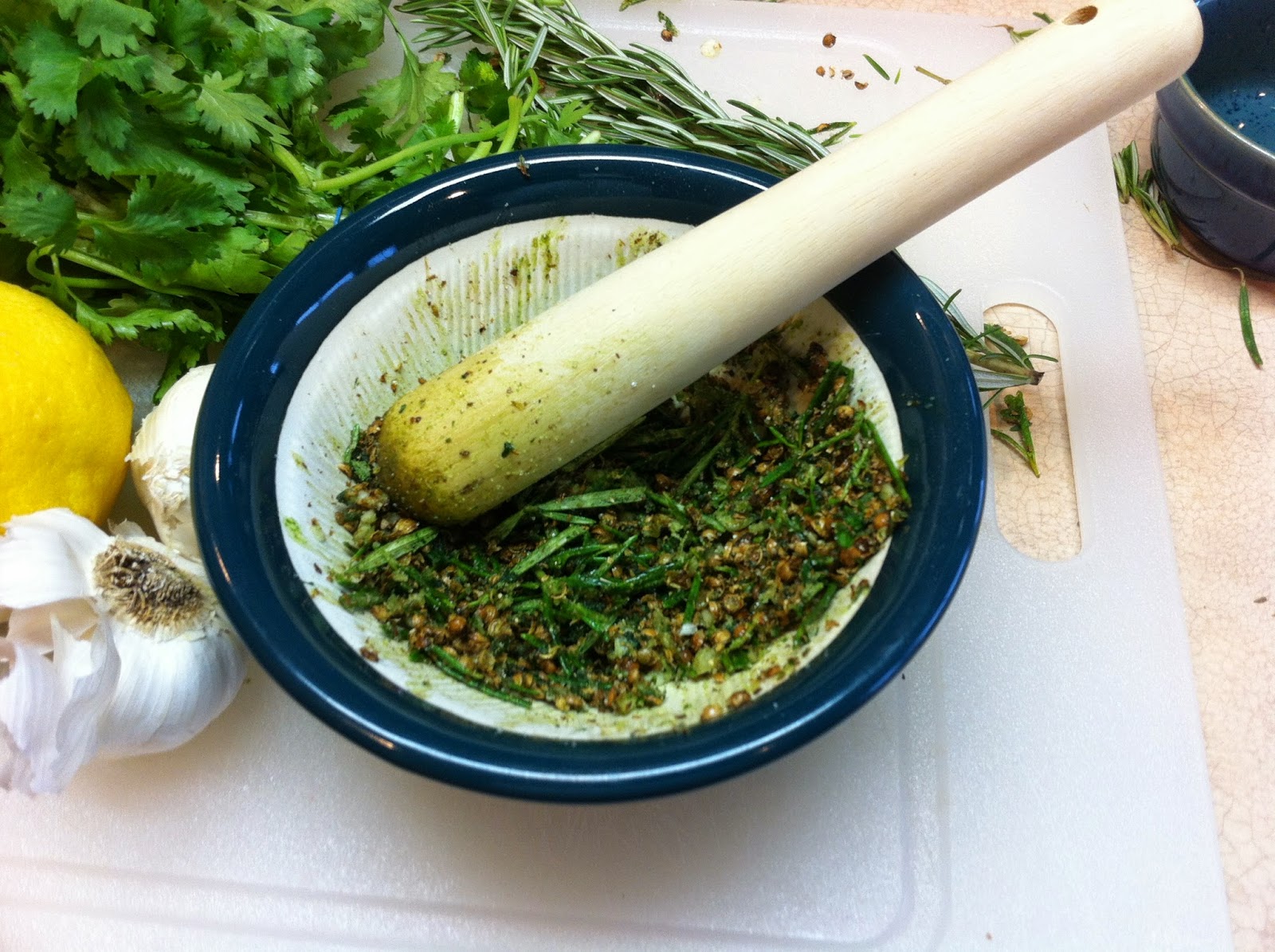
The day before cooking combine following and crush in a mortar and pestle: 
Minced Garlic
Rosemary
Oregano
Sugar
Coriander
Red Pepper Flakes
Kosher Salt
Freshly Ground Black Pepper, and crush in a mortar and pestle.

Add olive oil and season the leg of lamb on all sides, wrap and refrigerate overnight. 

 Cooking

Preheat oven to 375°F.


Remove the Lamb from the refrigerator, rinse and let the chill come off of it, about 1 hour (We didn’t rinse)


Place the potatoes in a large cast iron pan or sheet tray; add the lemon slices over the top along with the Garlic and Rosemary Sprigs. Season aggressively with Kosher Salt and Freshly Ground Black Pepper and
give it a “drizzle” of Olive Oil. Place the pan in the oven on the bottom rack.

Season the Lamb with Salt and Freshly Ground Black Pepper and place it on a wire rack (shelf). Place the rack directly on the oven rack, above the Potatoes. Roast for 1 ½ - 2 hours, letting the juices from the meat drip down on to the potatoes, until cooked. Remove the Lamb from the oven, (if doing a leg, tent it with foil and rest it for at least 20 minutes). 

Remove them from the oven when done.


For an extra tangy treat you can eat the lemons.

Rating: Good wine and good value for money.

Winery Web Site

http://www.wildhorsewinery.com/

Friday, July 25, 2014

Cassegrain Semillon


Wine: Semillon

Country: Australia
Region: Hastings River
Rating: Very good
Price: Around $20 Australian
Recommendation: Strongly Recommended

Recently I had an unexpected and very brief trip to Australia and as a result last weeks and this weeks blogs will have a similar theme. This week the food will be two Australian seafood items, prepared very simply. There will also be some focus on the winery, as I’ve had the pleasure to visit this particular site.

The Cassegrain winery is a relatively small operation in the Hastings River region on the Mid North Coast of New South Wales (NSW). It is situated approximately 5 hours drive north of Sydney, just off the Pacific Highway. It is also around 10 miles West of the coastal township of Port Macquarie and a similar distance East from Wauchope (Pronounced warhope). The region, particularly inland around Wauchope, was once renowned as a great timber producing area. However it has recently been transformed from timber to tourism and gourmet food industries, including cheese, organic fruits, and of course some wine.

The climate is described as temperate. Summers are warm to hot with winds from the Pacific Ocean helping to moderate the heat. Winters are cool to warm and frosts, or temperatures below freezing, are considered rare. The foliage starts to take on a more noticeable sub tropical appearance in the region, particularly the coastal fringes. The inland regions are noted for tall hardwood eucalypt trees with Blackbutt being the most common species. This particular type of Eucalypt is an important food for the koalas that inhabit the region. It is also home to the Billabong Koala and Wildlife park, which is located close to the winery and is a great place to visit. 

The first impression upon entering the grounds of the winery are of entering a rainforest as you pass through dense Eucalypt,  Melaleuca (paper bark) trees, and a small creek. The forest (bush) quickly gives way to picnic grounds and a small amphitheatre complete with a stage. The grounds are used for concerts, Sunday markets, and even horse riding.

The gardens surrounding the winery itself are very well maintained and provide a kaleidoscope of colors. One striking feature is the large volume of roses which are surrounded by an electric fence, maybe to keep out the local kangaroos? I also noticed some Paw Paw (Papaya) trees in the grounds.

The winery has a restaurant, I have not had the opportunity to sample the food but the setting and the presentation of the food looked great. They also have a “cellar door” where their great wines can be tasted and purchased. To access the cellar door you must first pass through rows of wooden barrels and other winemaking equipment, which adds to the atmosphere.

The grapes are partially grown on the property and also sourced from several wine growing regions throughout the state, including the Hunter Valley, New England, and the Hastings River.

The wine we chose to highlight is a Semillon. It is a varietal and the grape used is particularly popular in the Bordeaux region in France and the Hunter Valley in Australia (which lies between Sydney and the Cassegrain winery). The Cassegrain Semillon is a light lemon colored wine with a slight green tint. The wine is medium dry with very distinctive fruit characteristics, including hints of lemon. I am particularly fond of pairing the Cassegrain Semillon with natural seafood.

The food we chose in this case is a very simple arrangement of raw oysters and boiled prawns (shrimp). While this is a simple dish, I will expand a little on the specifics of the oysters and the prawns.
 
Let me start by saying, I love oysters! I love all kinds, large, small, strong, bland, natural, cooked I love them all and I love them prepared many different ways depending on the type and sometimes the location and the season. The oysters we had on this occasion are Sydney rock oysters, which can be found naturally growing in bays and inlets in many parts of Australia. They are not large but they have a very strong and distinctive seafood taste. The flavor is stronger than most other oysters I have tried and they can take some getting used to by those unacquainted with them. I definitely prefer Sydney rock oysters served natural and fresh out of the shell.
 
The prawns (shrimp) in this case are wild caught Australian King prawns. The Australian king prawns are moist, with a firm flesh with a rich slightly salty taste. We purchased them ready to peel and eat, the typical preparation is to boil some water in a large pot, add sea or rock salt to taste and add the raw prawns. Cook briefly, usually around a minute or two after the water has returned to the boil or until the prawns float to the top and turn pink or orange. The prawns are then added to a mixture of water, salt and ice to cool.

I am quite partial to the Australian King prawn; one of my most vivid memories as a child was being on holiday (vacation) by the beach in Queensland. We would walk to the local bakery and buy a loaf of freshly baked bread, which was usually still warm; the smell of the fresh cooked bread was fantastic! We would take the bread home to eat it with fresh King prawns. The fresh prawns and recently baked bread made a great combination; we would sometimes make prawn sandwiches, which were delicious. It was very simple but sometimes it’s the simple things that are the best!


Recommendation: Strongly Recommended.

Winery Web Site


Thursday, July 17, 2014

Cassegrain Verdelho


Wine: Verdelho

Country: Australia
Region: Hastings River
Rating: Good
Price: $20 AUD
Recommendation: Recommended

Last week’s blog was a very quick and easy recipe and a relatively well known wine type, for this week's we have a very large meal and a comparatively rare wine type.

The food is a mixture of Australian and Thai food and a wine originating from Portugal but being produced in several different countries, in this case we are sampling a version from Australia.

The wine in this case is Verdelho, the grape being grown throughout Portugal and particularly on the island of Maderia. The grape has since become relatively successful in Australia including the Hunter Valley region north of Sydney.

The food we chose in this occasion was a veritable feast. The cooking was done by my brother David Lenton and my sister in law Aung Lenton. David originates from Australia but lives in England and brings the skills of cooking from scratch, including the ability to combine various regional recipes, with his international travel experience to achieve exceptional results. Aung originates from Thailand and today lives in Australia. Aung provides the discipline of traditional Thai cooking with fresh ingredients to also achieve exceptional results.

The wine chosen is the Cassegrain Verdelho which originates from the Hastings River region of Australia. I have had the privilege of visiting the Cassegrain winery and I am very impressed with the winery and the wines. The winery grows some of it’s own grapes and sources others from regions like the Hunter Valley, particularly for wines such as Verdelho and Semillion. I will provide a more in-depth review of the winery in a separate blog.

The Cassegrain Verdelho is lemon in color, exhibits a very slight oak bouquet and the taste is very refreshing. It includes hints of tropical fruits including passion fruit, cantaloupe (rock melon) and even strawberries. From my perspective I am a big fan of the Australian Verdelho’s and I am a big fan of the Cassegrain Version.

The selected dishes this week were Scallops in the half shell, boiled shrimp (prawns), Thai seafood dipping sauce, shrimp in red curry, eggplant (Aubergine) salad, fish cooked in banana leaf and Jasmine rice. The majority of the dishes were not created from recipes as such, instead they were mostly created from experience, taste and tradition. The following is a guide to our creations.

Scallops in the half shell.
One dozen fresh Scallops in the half shell (loose scallops can be substituted as can many other shellfish).
Finely chop the following ingredients, the quantity and volume to be determined according to taste.
Several cloves of garlic
Several red Chilies
Two tablespoons of ginger
¼ cup of fresh coriander leaves
Spring onions (green stems)
Black beans or good quality black bean sauce
Sprinkle the above ingredients onto the scallops as well as some dry white wine.
Pre heat oven to approximately 200 degrees C (400 F).
Place scallops in a shallow pan.
Cover with Aluminum foil.
Cook for around 5 minutes, being careful not to overcook.
Serve as desired, the scallops will need to be removed from the shell using a spatula or knife.


Boiled Shrimp
The boiled shrimp were pre Cooked (Boiled) Shrimp in the shell; we used 1.5 kilos (3.3 pounds) of store bought freshly cooked shrimp in the shell.

Shrimp Dipping Sauce
The quantities of the following are determined as per taste and preference.
Finely chop the following ingredients:
Garlic – several cloves
Chilies – several according to taste
Coriander leaves – ¼ cup
One shallot
Ginger - three table spoons
Combine with the following ingredients:
One tablespoon of fish sauce or Thai fish sauce (adjust to taste).
Sprinkle of Black pepper
¼ Quarter cup of Water
Juice of one lime
Teaspoon Sugar
Mix and serve in small bowl


Fish Cooked in Banana Leaf
For this dish we used Australian flathead which is a medium sized, sweet flavored, white meat fish but almost any white meat fish can be used.

Blend the following ingredients into a paste, spread on a banana leaf, wrap and cook in oven at 180 c (350 F) until cooked, approximately 10 minutes.
½ cup of Coriander (Cilantro) stork & leaves
¼ cup of Ginger
Three cloves of Garlic
One small white Onion


Red Curry Shrimp (Prawns)
Ingredients:
¼ cup curry paste
Tablespoon of shrimp paste
2 x 375 ml (12 ounces) tins of Coconut milk
Tablespoon of fish sauce
¼ cup of Tamarind pulp
Kaffir lime leaves, if possible, if not possible substitute grated lime (one medium)
½ Kilogram prawns (approximately 1 lb).
Juice of one lime.
¼ cup coriander (cilantro and Scallion).

Fry the following briefly until softened:
Curry paste
Shrimp paste
Combine the following ingredients; bring to the boil and simmer, stirring occasionally
Coconut milk
Fish sauce
Tamarind pulp
Kaffir lime leaves
Prawns (until warmed through)
Add to a large bowl for serving
Squeeze lime juice over top.
Sprinkle coriander (cilantro and Scallion) as garnish.

Thai Roasted Eggplant Salad with Shrimp
Ingredients:
2 lbs eggplants
4 large eggs, boiled, peeled, and quartered
1/4 lb large shrimp, peeled, deveined, and poached in salted water
2 tablespoons dried shrimp, blended in a food processor or mixed with a pestle and mortar
2 medium shallots, peeled and sliced very thinly
About one tablespoon’s worth of palm sugar (If you don’t have it, use brown sugar.)
4 tablespoons Thai fish sauce
3 tablespoons fresh lime juice
2-3 fresh bird’s eye chilies, thinly sliced
Cilantro leaves, optional

Prepare the eggplants as follows:
Cook the eggplants on a foil-lined baking plate set about 8-10 inch beneath the oven broil heating element and broil them on high until the skins are charred and the insides are soft.

Cut the peeled eggplants crosswise into 1-inch chunks and set aside. You may see some brown liquid collecting at the bottom; drain it off.
On the stove or in the microwave, melt the palm sugar with the fish sauce. Once the sugar is melted, stir in the lime juice and chopped chilies. Taste it and adjust as needed. The dressing should be primarily salty and sour and secondarily sweet.
Arrange the eggplant pieces, shrimp, and hard-boiled eggs on a serving platter. Sprinkle the sliced shallots on top.
Drizzle the dressing over everything.

Sprinkle the dried shrimp and cilantro leaves on top. Serve immediately.

Rating: Good

Winery Web Site